Innergex and West Moberly First Nations awarded the 251 MW Bessie Wind Project in BC Hydro’s 2025 Tender
June 10, 2026
Innergex and West Moberly First Nations are pleased to announce that their 251 MW Bessie Wind Project has been selected in BC Hydro’s 2025 call for tenders.
The Bessie Wind Project is a majority-owned wind project owned by an Indigenous community and is a continuation of the strong partnership between Innergex and West Moberly First Nations, following their successful collaboration that led to the award of a contract in BC Hydro’s previous call for tenders. This new selection demonstrates the partners’ shared commitment to advancing clean, reliable electricity in British Columbia, while supporting Indigenous leadership, long-term land management, and the development of economic opportunities in the Peace Region.
“The selection of the Bessie Wind Project is an important milestone for Innergex, the West Moberly First Nations, and British Columbia’s clean energy future,” said Jean Trudel, President and Chief Executive Officer of Innergex. “Bessie reflects the strength of our long-standing partnership with West Moberly First Nations and the growing need for new sources of clean electricity in the province. This is a solid project in a market where the long-term demand is clear, and which builds on years of collaboration, trust and shared experience. We are proud to move forward with West Moberly First Nations on a project that will support British Columbia’s energy future while generating lasting benefits for the Peace Region.” »
“Our partnership with Innergex is built on years of collaboration and a shared commitment to creating lasting opportunities for our Nation and future generations,” said Chief Roland Willson of the West Moberly First Nations. “The Bessie Wind Project reflects the type of development we want to see on our territory, where Indigenous Nations are active decision-makers and economic development is done on our own terms. It is also part of a broader vision of reconciliation based on true partnership, in which we help define how development happens on our lands, advance our economic self-sufficiency, and create lasting benefits for our community and region. »
“The Bessie Wind Project is built on a strong foundation of collaboration between West Moberly First Nations and Innergex,” added Colleen Giroux-Schmidt, Senior Vice President, Western Canada Development and Federal Government Affairs at Innergex. “As we continue to move forward with the project, partnership will remain at the heart of all stages. This project is rooted in long-term relationships, responsible development and a shared desire to produce clean energy while generating sustainable benefits for northeastern British Columbia. »
The Bessie Wind Project
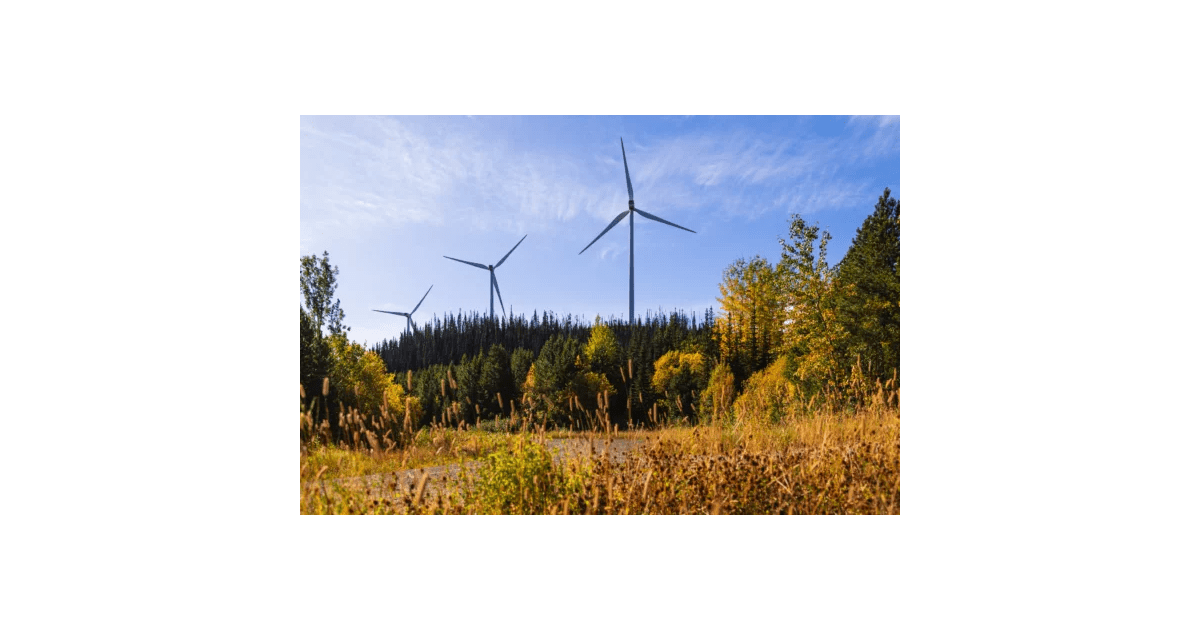
The Bessie Wind Project is a 251 MW wind project located in the Peace Region, currently scheduled for commissioning in 2032. The project is expected to provide clean, renewable electricity, while supporting employment, subcontracting, training and local participation opportunities during the development and construction phases. Once in operation, it is expected to contribute to local economic activity, create opportunities for skilled labour and generate lasting benefits for the region.
Located in the Peace Region, Bessie builds on a well-established relationship between West Moberly First Nations and Innergex and reflects a long-term approach to renewable energy development based on Indigenous leadership, environmental protection and regional economic participation. As demand for clean electricity continues to grow in British Columbia, the project aims to meet the province’s energy needs, while strengthening energy security and creating sustainable economic opportunities for northern communities.
The development process of Bessie is ongoing, and the partners are committed to consulting and collaborating with indigenous and local communities at every stage. This includes taking feedback into account, incorporating local realities, and exploring opportunities for shared benefits as the project progresses.