Pembina: New Meta Data Centre Could add up to $460 a year to Albertans’ Electricity Bills Due to Government Policy

September 9, 2026
Alberta’s data centre policy leaves consumers exposed to electricity market pressures as data centre industry grows
New independent analysis from the Pembina Institute explores the impact of Meta’s new hyperscale data centre on Alberta’s electricity market, and concludes that this project could add between $270 and $460 dollars a year to Albertans’ electricity bills once the data centre begins operations.
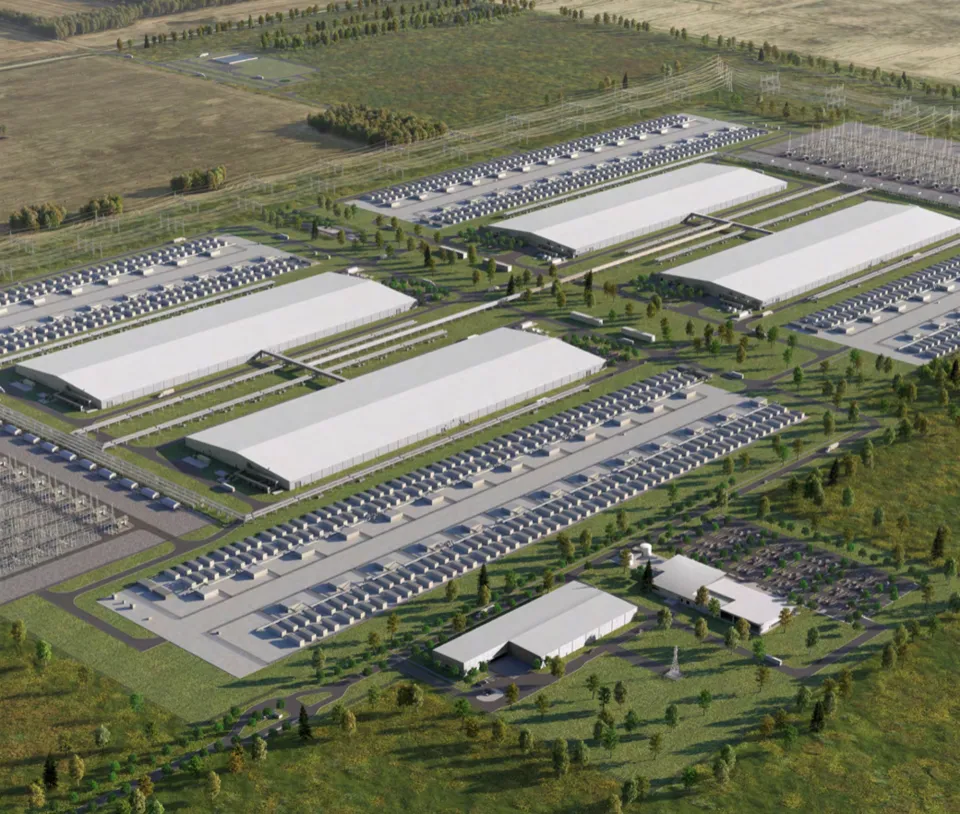
The analysis estimates the overall impact of the Meta data centre on a typical Albertans’ electricity bill from 2027-2031. From this analysis, the Pembina Institute confirms that, while Albertans could see a 6% reduction on the transmission portion of their electricity bills as a result of Meta’s grid connection, the market impacts of the new Meta data centre will far outweigh the transmission savings. These findings are in line with public statements made by industry leaders such as EPCOR, Capital Power, TransAlta, and the Alberta Electricity System Operator. Altogether, these collective insights highlight the importance of good policy design to mitigate the impact of connecting significant new power demand on Alberta’s electricity market.
At the heart of significant electricity market pressures, and the resulting bill increases, are Alberta’s “Bring Your Own Generation” rules, which allow data centres to connect to the grid before their generation is brought online. But, as our analysis shows, when these new large-scale data centres connect to the grid, it puts pressure on the electricity market, increasing costs until new power plants come online.
The planned policy framework also forces data centres to rely exclusively on natural gas for new generation, barring operators from choosing lower-cost alternatives, including renewables and storage – both of which could be used to keep rates relatively low and stable. While other jurisdictions are using a more robust set of policies and technologies to support data centre growth and minimize their impacts on ratepayers, Alberta has taken a much more narrow and restrictive approach, reflecting a wider policy environment that has severely constrained renewable energy development since 2023.
While this analysis focuses on the impacts of the Meta data centre under Alberta’s current policy landscape, Pembina anticipates similar, substantial, and long-term impacts as more data centres get built in Alberta. Without a significant change in policy direction, including rate protections and the removal of long-standing anti-renewables policies, Albertans are likely to face sustained pressure on electricity bills in the years ahead.