Canada Celebrates the Inauguration of Atlantic Canada’s Largest Energy Storage Facilities
September 22, 2026
In an increasingly uncertain world and as countries confront growing economic uncertainty and shifting global trade dynamics, Canada is building the electricity infrastructure to power our future. A reliable, affordable and resilient electricity system is essential to support Canadian families, help businesses remain competitive and strengthen Canada’s energy security.
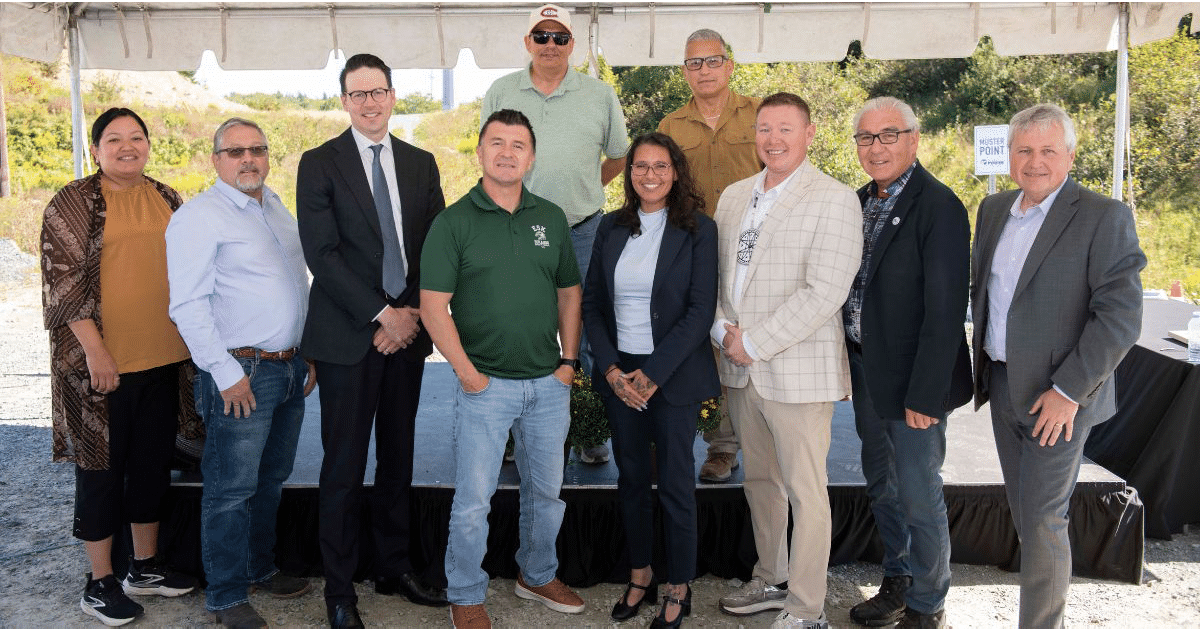
Jaimie Battiste, Parliamentary Secretary to the Minister of Crown-Indigenous Relations, on behalf of the Honourable Tim Hodgson, Minister of Energy and Natural Resources, joined Nova Scotia Power, the Canada Infrastructure Bank and the Wskijinu’k Mtmo’taqnuow Agency (WMA) to celebrate the inauguration of three 50-megawatt (MW)/200-megawatt-hour (MWh) battery energy storage systems in Bridgewater, Waverley and White Rock.
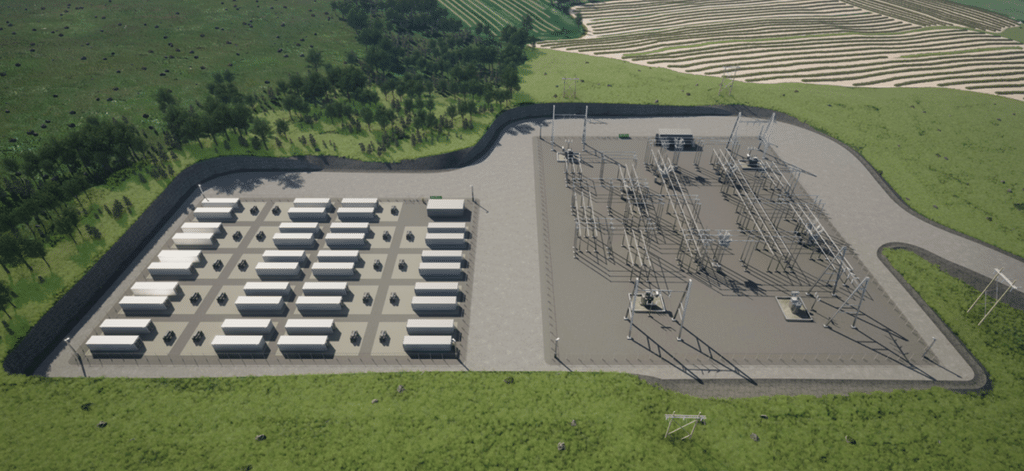
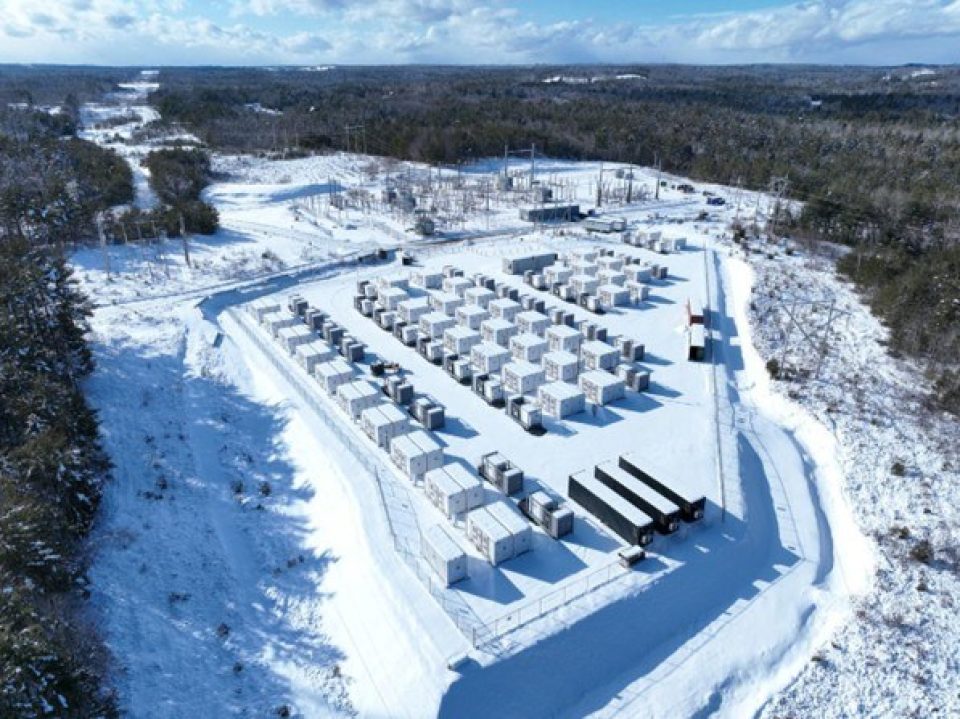
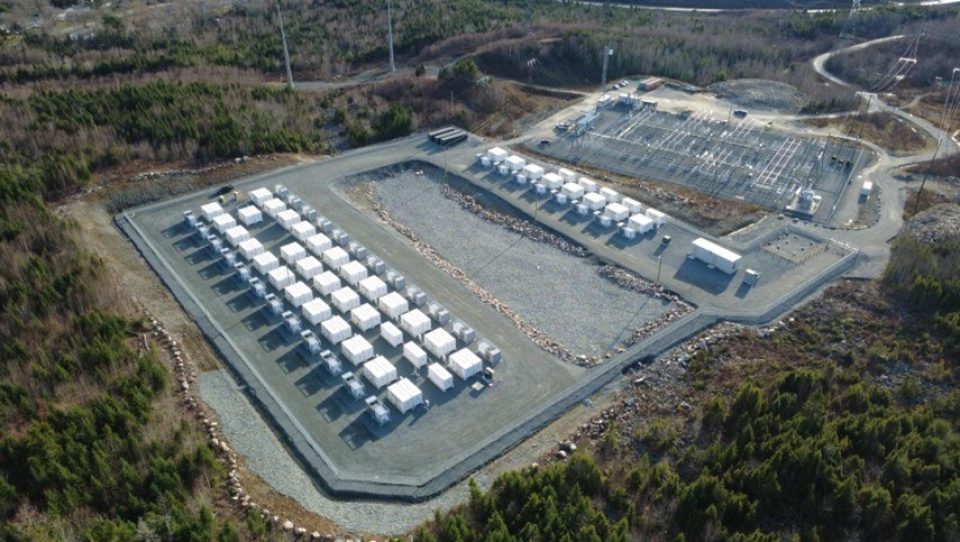
The Government of Canada has invested $109 million for pre-development work and the installation of what are now Atlantic Canada’s largest energy storage facilities as well as grid modernization upgrades, helping Nova Scotia accelerate its transition from coal-fired electricity to renewable energy. The project also received a $138.2 million loan from the Canada Infrastructure Bank.
These projects will work to reduce greenhouse gas emissions by approximately 90,000 tonnes annually prioritizing non-emitting energy for storage while helping meet Nova Scotia’s growing electricity needs and supporting the integration of renewable energy, including wind power.
Through the WMA, all 13 Mi’kmaw communities in Nova Scotia are participating as equity partners in the project, helping drive both economic reconciliation and a cleaner energy future, demonstrating how meaningful partnerships with Indigenous communities can advance clean energy while creating lasting economic opportunities.
Investments in grid modernization and clean electricity are helping Canadians get access to the power they need while laying the foundation for long-term economic growth across the country, in partnership with indigenous peoples.
Quick facts
- The Smart Renewables and Electrification Pathways Program (SREPs) is a $4.5-billion NRCan program designed to reduce emissions and enable a more modern, reliable electricity grid system by supporting the deployment of grid modernization, energy storage and renewables in every region of Canada.
- Predevelopment funding for the battery projects was provided by NRCan’s Electricity Predevelopment Program, a $250-million program that supports predevelopment activities for clean electricity projects of regional and national significance.
- The project marks the first clean energy initiative backed by the Canada Infrastructure Bank’s Indigenous Equity Initiative, partnering with all 13 Mi’kmaw communities through the Wskijinu’k Mtmo’taqnuow Agency.
- Each site can power roughly 45,000 average residential homes for four hours during peak times or outages and strengthen grid reliability by providing a rapid response to unexpected disturbances, delivering safe, reliable and clean electricity during periods of peak demand, and enabling greater integration of renewable energy sources.
- On May 14, the Government of Canada launched Powering Canada Strong: A National Strategy for an Electrified Canadian Economy. This plan will double the capacity of our grid by 2050 and supply clean, reliable, affordable power across the country for decades to come.
- To develop this strategy, the government launched consultations with provinces, territories, Indigenous Peoples, utilities and unions to work together to identify the actions needed to double our grid most effectively and affordably.